
The Julie Kaiser newsletter · no. 1 · July 31, 2026
Built. Broke. Boris.
Hi, I’m so excited you’re here. This is my first newsletter. Here goes!
What went right: Claude built the perfect little tool I didn’t even ask for
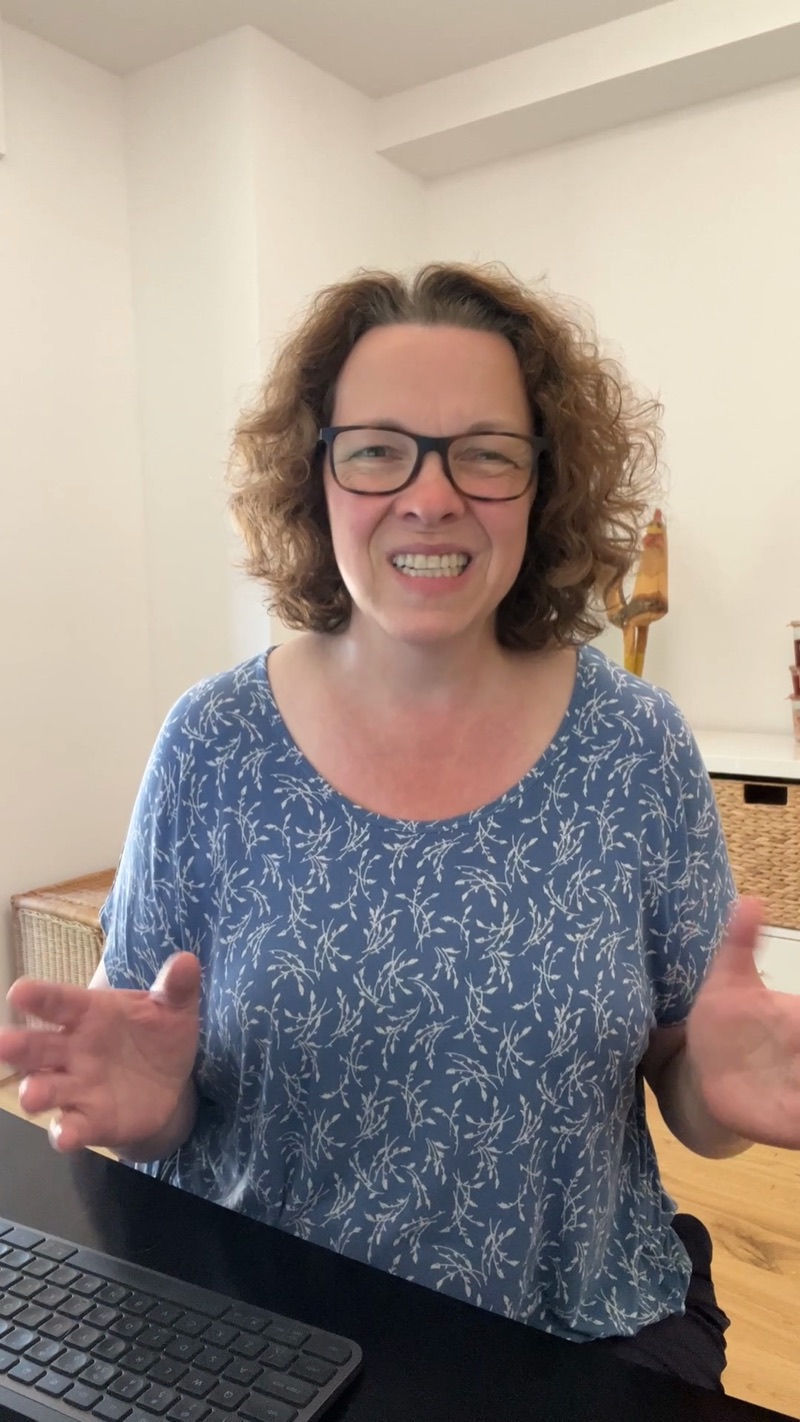
I needed a thumbnail for a TikTok video, so I asked Claude for proposals. It suggested a particular frame and said you look very happy here, nice full smile, that’s the one I’d take.
Except, I was grimacing. I looked like somebody was stepping on my toe. Full-on miserable face, but Claude couldn’t tell the difference. I had the video open, so I found a suitable frame myself and took that one instead.
The next day, same job, new video. I said: this time, open the video, I will scrub through it myself, because you can’t tell a good picture from a bad one. And don’t just tell me the file name – actually open the video for me because I don’t have time to search through the finder.
What popped up on my screen made me smile that nice happy smile Claude thought it’d found the day before. A browser tab with the video in it: a play button, a slider I could drag, and buttons to step forward and back one single frame at a time. Find the frame you want, it said, and tell me the number. What?!? That’s not what I asked for.
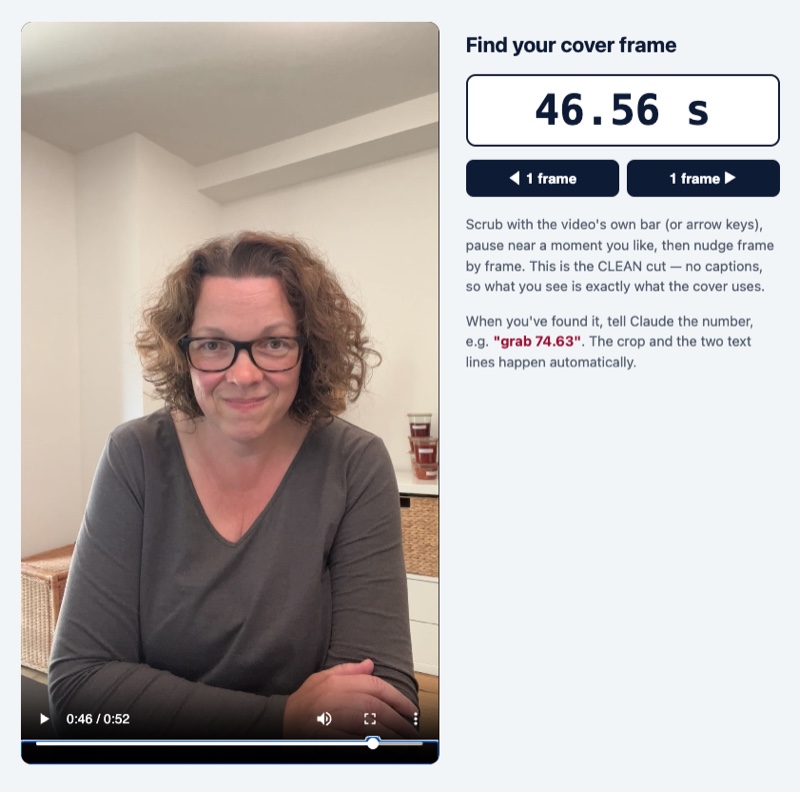
But Claude went a few steps above and beyond and built me a little frame-picking tool on the spot.
I told my husband about it. He laughed and said: I hope you don’t expect that kind of stuff from me.
What I learned: I could never have asked for that tool, because I didn’t know it could exist. What I had done instead weeks ago was give Claude a standing instruction: when something slows me down and frustrates me, propose a fix, even one I don’t know to ask for. I can’t anticipate what I’ll need. It turns out I don’t have to with this system.
What went wrong: My files disappeared
I was building a video editing pipeline with Claude: scripts running on my computer, videos rendering. I’m a word person, not a video person, and I hadn’t thought it through. I’d filmed several videos and said: they’re in the folders, get to work.
And Claude did. Suddenly my computer was processing a whole batch of videos, and I was going back and forth on the results – I don’t like this version, change this, re-render. What I didn’t realize: every re-render ate another chunk of my hard drive.
It was a perfect storm, because my backup drive was disconnected, so my Mac was quietly piling up backup snapshots next to all those renders. Until the disk was full, and the machine booted my files back into the cloud to make room.
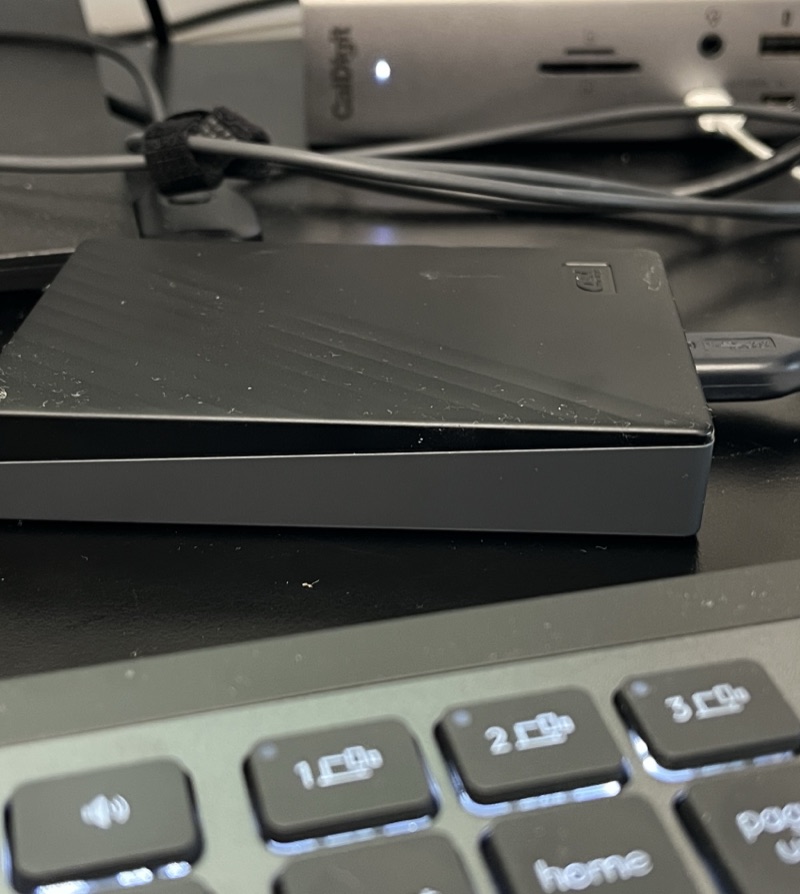
The problem is, my whole setup runs on those OneDrive files. They’re what Claude reads and works from, and suddenly they weren’t really there. It was Friday night and I was slightly panicked. Everything was frozen, and new sessions wouldn’t even start, because the files that tell Claude how to start were in that folder too.
So I opened the terminal and typed the one command I knew and said: Hi Claude, we have a problem.
And Claude took over. It looked at the computer, assessed the situation – yep, that’s what’s happening – and shut down the runaway processes for me. Like having a little expert on call who glances at the mess and says: I see the problem, I can fix it, calm down Julie, we’ll do this step by step. That’s what we did, until it said: good news, the immediate crisis is over. Go to bed. (Claude always tells me to go to bed, but this time it was warranted.)
The next day I resumed the session and we cleaned up in order. Back everything up first – the backup drive, plus a copy of the things I planned to delete. Then make space: clear the snapshots, delete what could go, bring my OneDrive files back down onto the disk. And a plan so this doesn’t happen again: a backup that’s always connected, and safeguards to keep the video pipeline from filling the disk again. (At least I think so.)
That’s what broke. But that’s the funny thing about working with Claude Code: when something breaks, the expert is right there to fix it. That part still feels like magic.
What I learned: These tools let me build in areas where I have no instincts. Nothing about being a word person teaches you that video renders eat hard drives. So I’ve started asking one question at the start of every build: I don’t know what I’m doing here, so tell me what could go wrong, and what we can do now so it doesn’t.
What’s new: Boris said to delete everything
I follow a bunch of AI news, and the thing that stood out: Boris Cherny, the engineer who created Claude Code, sat on a stage at Y Combinator and told people like me: every six months, delete your CLAUDE.md. Delete your skills. Delete your hooks. Then watch what the model does, because the newest models may no longer need the instructions you wrote for the old ones. The instructions pile up correcting for models that don’t exist anymore.
My whole setup is those files. Hundreds of them.
But you know what? I’m going to try it. I ran the audit last night; I haven’t acted on it yet. If something goes wrong, I’ll just build it back in.
What I learned: In most fields, when you don’t know something, you ask someone who does. With AI it’s different: the knowledge base is being written right now, by everyone at once, and pieces of it go out of date almost as fast as they’re written. Even the people who built the tool are just now finding out you can delete half the instructions and it still works. That’s a challenge and an opportunity at the same time. It also means nothing I build today gets to be permanent. Try something, see what happens, and adapt.
One more thing: I’m really glad you’re here. This whole deciding-to-teach-people-about-AI thing is a little bit bizarre, but I feel strongly about it. I use AI in my actual job, and I’ve decided if AI is going to replace me, I’m going to be the one operating the AI replacing me. I think that’s a skill worth having no matter what things look like six months from now, or a few years from now, and if I can help people develop that skill, that’s a bonus.
If you have questions, hit reply. I read everything and answer myself.
Cheers,
Julie